


Marine Life
Algae energy can be utilized to perform environmental services such as wastewater treatment as they purify the water in which they reside. They are able to do this by being able to absorb various metals, pesticides, organic and inorganic toxic substances, as well as radioactive matters in their cells/bodies. This process is known as phytoremediation and it is able to lessen pollution within contaminated water sources through the use of plants and protists that will ultimately mitigate pollution. This process occurs without the actual need to excavate the contaminant material and dispose of it elsewhere. Furthermore, areas in which algae has been grown show significant boosts in the marine biodiversity as algae is essential for a plethora of various aquatic lifeforms. Thus, algae is able to be used in order to purify water sources as well act as a food component that ultimately increases marine biodiversity. (ML10), (ML11)


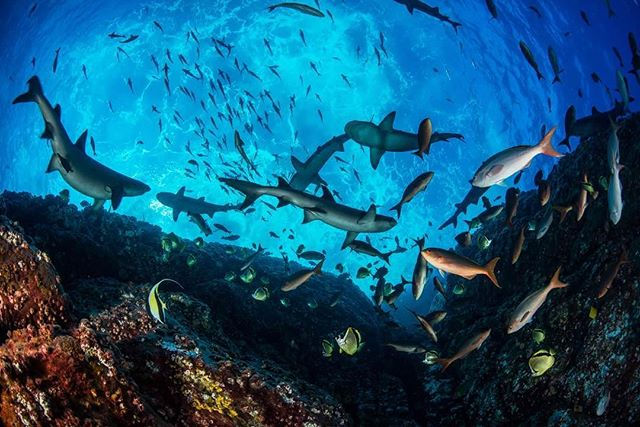


“Algae are an essential part of a healthy marine ecosystem. One type of algae is phytoplankton… [and] it is the base of the marine food chain” (ML3). “A coral reef is a marine ecosystem that is often dependent on algae. Certain species of algae can speed up the metabolism of the invertebrates that form coral. These invertebrates make use of the algae's sugar and oxygen. Without the algae, the reef would gradually deteriorate”. (ML3)